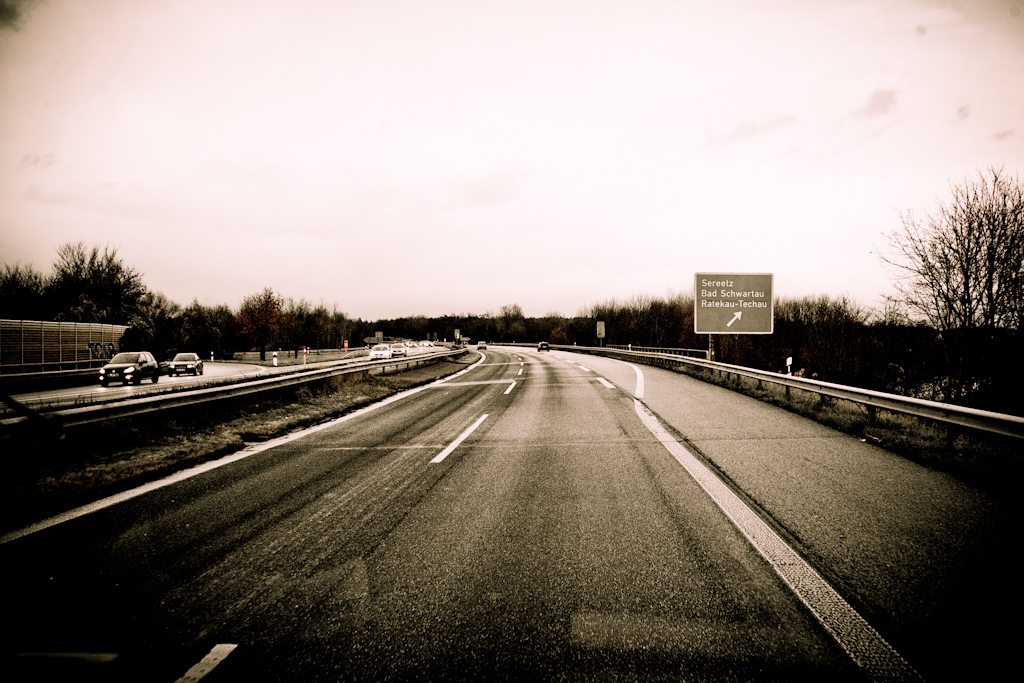

Your company, cut loose from the office, locked onto a route with no way back.
Somewhere the office is hundreds of kilometres behind. The voicemail, the planning, that last-minute meeting, the daily grind. It’s all been left behind. What remains is the team, the goal, the road ahead and a deadline that can’t be moved because the bus just keeps going. That’s the difference between innovation that keeps getting postponed and innovation you actually realise. The bus, the surroundings and the route are the reasons things happen here that never get off the ground at the office.
Four stops, one journey
Board & pitch
The doors close and nobody knows yet exactly who they’ll be working with. Two minutes per person to say who you are and to pitch the problem you want to tackle. By the time the bus turns onto the motorway, teams are forming and the first ideas are emerging.
Build against the clock
Tables become desks, windows become whiteboards. The clock is ticking and the kilometres fly by. There’s no way back, only the next stop, where the next step is waiting for you.
Stopover: knowledge & pitch
Time for a stop. Sometimes a room full of peers or colleagues is waiting, people who don’t know what you’re trying to achieve. Your first real test of whether it works outside the bus. Sometimes it’s a visit to a place to gain knowledge, see processes, get inspired and take all of that back into your plan.
Final pitch & jury
The moment everything was built for. The grand finale. In front of the company’s stakeholders, or a jury from your own organisation, sometimes joined by clients or investors. This is where you change the future.
For teams that want to build, not meet
Companies
For companies that need good ideas or want to escape the daily grind. A time to build something together for real.
Government & trade associations
For challenges that call for awareness and collaboration across the entire chain.
Knowledge institutions
For knowledge institutions that want to bring education, research and business together. To collect questions and discover answers.
Healthcare
For teams that don’t just want to come up with new care concepts, but want to build them and compare them with what already exists elsewhere.
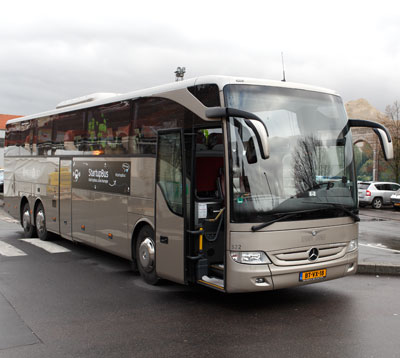
From a twelve-hour introduction with eighty students to seventy-two-hour international build expeditions. No stock photos of smiling people: this is what actually happened.


What we hear most often before an organisation climbs aboard
What does a ChallengeBus programme cost?
All investments depend on the size of the group and the trip that needs to be made. The distance, travel times, type of bus and stops determine the price indication. We can work that out together. Another option is to set a budget and see how we can design a ChallengeBus programme within it. We can only give a final price once we’ve discussed these things together, at least in broad terms.
How many people can come along?
ChallengeBus scales per bus, and the size of the bus is what counts. Buses range from 8 to 50 people. Depending on the goal, the trip and its duration, we look at how the bus should be set up. Larger groups are split across multiple buses, and can even take different routes.
How long does a programme last?
ChallengeBus can be used in different ways. In twelve hours, for example, you can do a solid exploration expedition, or work out ideas that already have a first draft. In seventy-two hours there are even possibilities for an international expedition with more stops and challenges for the teams. It all depends on the goal you want to achieve.
What about safety and insurance?
We only work with certified coach companies. It is important that participants on a trip abroad also have their own travel insurance and valid health insurance.